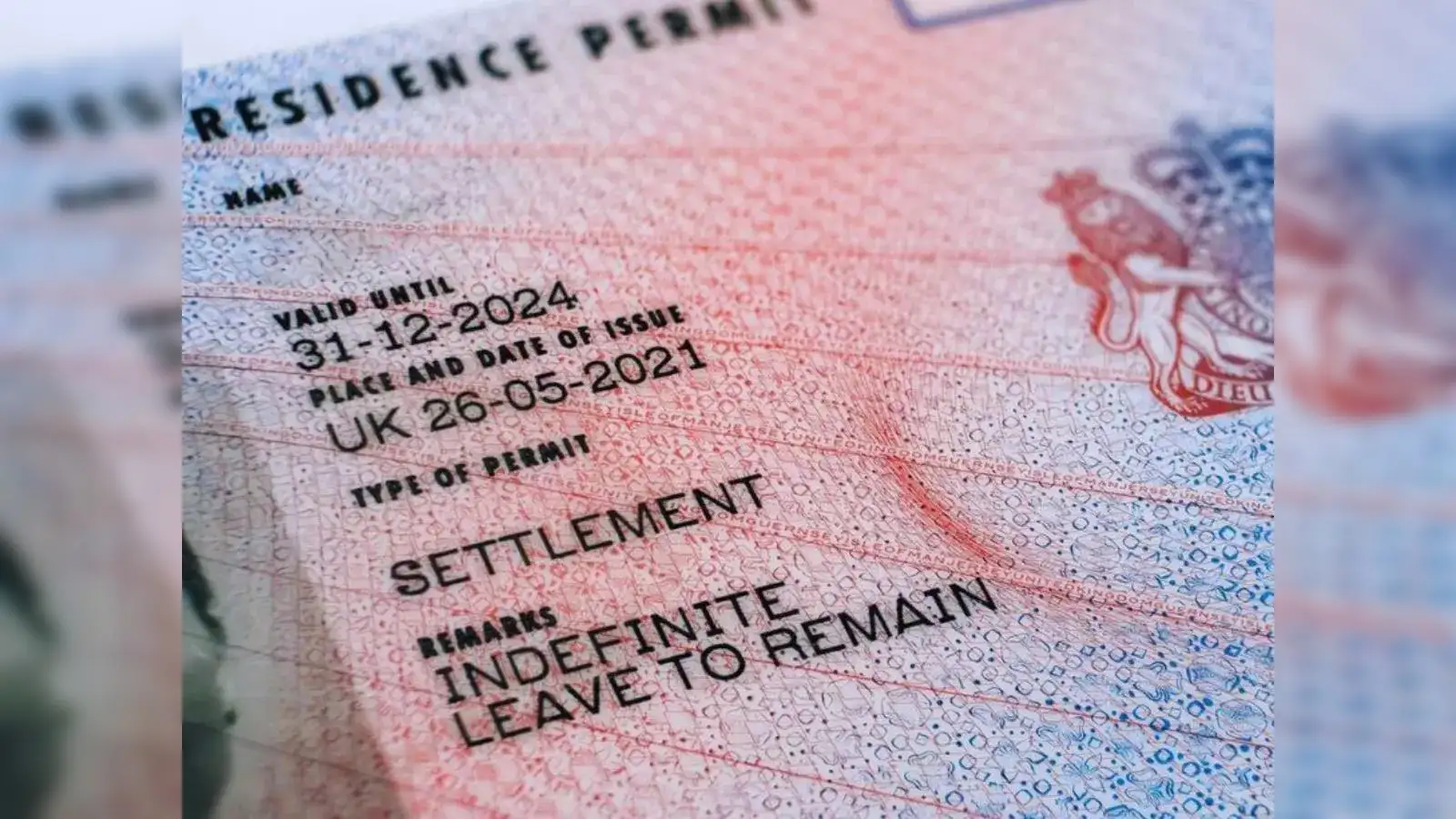
The UK government has announced significant changes to its immigration system, including a plan to extend the wait for permanent residence. Home Secretary Shabana Mahmood revealed that the qualifying period for Indefinite Leave to Remain (ILR) will increase from five to ten years. This change will affect over 2.6 million migrants who arrived after 2021. The new rules reflect the government’s view that settling in the UK is a privilege that must be earned.
The extended wait applies to migrants who arrived post-2021, meaning over two million people, including many Pakistanis, will face longer waits. Migrants who already hold ILR will not be affected. The new rules also introduce various conditions that could further extend or shorten the waiting period. For example, those who claim benefits for less than 12 months will face a 15-year wait. Migrants reliant on benefits for longer will face a 20-year wait, the longest in Europe.
However, high-earning migrants may qualify for faster settlement. Those earning £125,140 for three years can settle in three years, while those earning £50,270 can qualify in five years. English proficiency, volunteer work, and community contributions could also shorten the wait. The government emphasized that migration levels have been unprecedented, with 2.6 million people added to the UK’s population from 2021 to 2024.
The reforms include an “earned settlement” system, requiring evidence of social integration, stable employment, and clean criminal records. However, some groups, including NHS workers and high-skilled professionals, will continue to benefit from fast-track settlement. Children who arrived before age 18 will also be able to settle with their parents, but family members will no longer automatically qualify when the main applicant does.
The changes have sparked mixed reactions. Public service union Unison criticized the reforms, warning that essential workers like care staff and nursing assistants would face long waits, threatening public services. Conservative shadow home secretary Chris Philp backed the reforms but raised concerns about potential loopholes. The government aims to implement the new rules by spring 2026 after consultation.